The first quarter of this novel required some patience, as the narrator, David Kepesh, seems determined to live up to Roth's reputation for being overly fascinated with the workings of his dick. Sex bores, like golfers and new-minted religious converts, insist on sharing 12-step stories of repression, inhibition and liberation, how they discovered orgasm and its variations (like the golf bore. forever working on their stroke), and how the wicked world (parents, churches, discarded lovers) doesn't understand their need-- no, their right!-- to find things to rub their genitals against.
But all this might be set-up, establishing the character as a rake, someone who considers himself a sophisticate when it comes to sex, but naive as a goat in a tiger trap when it comes to love. The novel takes on depth and becomes quite moving when Kepesh meets his nemesis, Helen, a woman he seems matched with erotically and in the constant search for peak experiences, but utterly hopeless as a spouse. I use "nemesis" here most carefully, in the magical sense of a personal doom especially designed by fate or one's own character to cause the maximum destruction. The fidgety smoker sucks on cigarettes until he ends by taking the smoke in through a tracheotomy; the Professor of Desire finds a Helen.
At its most simple, Helen is a "drama queen", as addicted to extremes in romance-- Hong Kong, married millionaires, and opium-- as Kepesh was to gymnastics with hot Swedes. Once Kepesh becomes her husband, someone with dry cleaning and envelopes to mail, she converts him from her lover into her jailer.
The last half of the book, the part worth getting to, concerns Kepesh's recovery from the end of his marriage and Helen's burning of another Illium. This is achieved by the matter-of-fact advice of a therapist, and, no surprise, the discovery of a new love, the grounded and loving (and Kepesh being Kepesh, large breasted and blonde) Claire-- but the book ends with a cliffhanger, a worm of fear gnawing at Kepesh like Blake's worm in the rose.
Visiting with his widowed father and an elderly Holocaust survivor, two men who've lost the people they loved, the Professor of Desire is terrified that all happiness, even his contentment with Claire, is provisional and temporary. He seems convinced that he will one day fall out of love with Claire, as bored with her as Helen was with him, that instead of putting one foot in front of the other and building a substantial life as his therapist instructed him, he will go off again in search of peak experiences. The older men seem to understand by instinct how much of life requires tending your own garden and showing up for work, but David Kepesh is hypnotized by possibility and potential, chasing Maya: the illusion of desire.
"All the Stones the Builders Rejected"  (And some days it takes more Stones than others...) Where Mythical Bestiary meets Contemporary Culture and Chews On Its Leg Until Covered with Slobber.
Showing posts with label philosophy. Show all posts
Showing posts with label philosophy. Show all posts

Anne Sexton

A long time ago a professor who used to write poetry on the side told me he had met Anne Sexton after a reading, and asked her how she wrote a particular poem, and "All she did was hold up her wrists for me to see with the scars on them from her suicide attempts". He seemed to think it was an example of her extreme nature, and I used to think it was a lesson in the difference between an academic and a poet, and now I think she could have lived longer and loved her daughters more with the improved medications for depression, and there really isn't much connection between madness and art, except as predispositions that live next door to each other like alcoholism and diabetes-- and I don't know what I think any more about what else her answer might mean to the creative life. Truman Capote says when God gives you a talent, he also gives you a whip (if you want to get any work done), and call it romanticizing if you will, but I've noticed a lot us walk with a limp like Jacob after he wrestled with the angel, and God gave him such a smack, he never would forget it, and maybe that's what the marks on her wrists were.
This is the poem by Anne Sexton that knows my secret heart, the way Jeremiah talks about being know before he was formed in the womb, the way Isak Dinesen's ravaged smile and her story "The Cabin-Boy's Tale" kept me alive one night, the way Job and Isaiah reassure me that God belongs to the small dark forgotten things as well, that "the beasts of the field shall honor me, the dragons and the owls-- because I give waters in the wilderness, and rivers in the desert."
A story, a story!
(Let it go. Let it come.)
I was stamped out like a Plymouth fender
into this world.
First came the crib
with its glacial bars.
Then dolls
and the devotion to their plactic mouths.
Then there was school,
the little straight rows of chairs,
blotting my name over and over,
but undersea all the time,
a stranger whose elbows wouldn't work.
Then there was life
with its cruel houses
and people who seldom touched-
though touch is all-
but I grew,
like a pig in a trenchcoat I grew,
and then there were many strange apparitions,
the nagging rain, the sun turning into poison
and all of that, saws working through my heart,
but I grew, I grew,
and God was there like an island I had not rowed to,
still ignorant of Him, my arms, and my legs worked,
and I grew, I grew,
I wore rubies and bought tomatoes
and now, in my middle age,
about nineteen in the head I'd say,
I am rowing, I am rowing
though the oarlocks stick and are rusty
and the sea blinks and rolls
like a worried eyebal,
but I am rowing, I am rowing,
though the wind pushes me back
and I know that that island will not be perfect,
it will have the flaws of life,
the absurdities of the dinner table,
but there will be a door
and I will open it
and I will get rid of the rat inside me,
the gnawing pestilential rat.
God will take it with his two hands
and embrace it.
As the African says:
This is my tale which I have told,
if it be sweet, if it be not sweet,
take somewhere else and let some return to me.
This story ends with me still rowing.

-- Anne Sexton
Peter Gabriel worked some of this into his song about Anne, Mercy Street. The reason I like Anne Sexton better than Plath (or Lowell, for that matter) is that she reminds me of that poorly drawn but heartfelf cartoon where the bird of prey is bearing down upon the little mouse, and the mouse is giving it the finger.
The Dark NIght of the Soul

Upon the darkened night
the flame of love was burning in my breast
And by a lantern bright
I fled my house while all in quiet rest
Shrouded by the night
and by the secret stair I quickly fled
The veil concealed my eyes
while all within lay quiet as the dead
Oh Night, Thou was my guide
Oh Night more loving than the rising sun--
Oh Night that joined the lover
to the beloved one
transforming each of them into the other
Upon that misty night
in secrecy, beyond such mortal sight
Without a guide or light
than that which burned so deeply in my heart
That fire t'was led me on
and shone more bright than of the midday sun
To where he waited still
it was a place where no one else could come
Within my pounding heart
which kept itself entirely for Him
He fell into His sleep
beneath the cedars all my love I gave
And by the fortress walls
the wind would brush His hair against his brow
And with its smoothest hand
caressed my every sense it would allow
I lost myself to Him
and laid my face upon my lover's breast
And care and grief grew dim
as in the mornings mist became the light
There they dimmed amongst the lilies fair
There they dimmed amongst the lilies fair
There they dimmed amongst the lilies fair
The Dark Night of the Soul by St. John of the Cross
Adapted and set to music by Loreena McKennitt
“That which this anguished soul feels most deeply is the conviction that God has abandoned it, of which it has no doubt; that He has cast it away into darkness as an abominable thing . . . and this comes from the sense of being abandoned by God, being chastised and cast out by His wrath and heavy displeasure. All this and even more the soul feels now, for a terrible apprehension has come upon it that thus this despair will be with it for ever. It has also the same sense of abandonment with respect to all creatures, and that it is an object of contempt to all, especially to its friends.” The "Dark Night" got its name from John of the Cross, but something like it happens on almost every mystic path. Meister Eckhart talks about "leaving God for God", losing your personal, tribal concepts of the divine so they can be replaced by something closer to the Real, but sometimes that means God pushes you down the stairs with a helpful hand in the small of your back. Religious bigots like bin Laden or Dobson never feel abandoned at all, never question, and so stay stuck as spiritual infants convinced they have God's unlisted phone number and God (who strangely resembles them in a mirror) "sits up nights to admire them." Their concept of the Divine will always be small and mean and hunched by their own limitations.
Some dark comfort that the talons griping my soul in the dark once drew blood from the shoulder of Athene. If Jesus isn't abandoned in the garden when God ran from the po-pos to let him die screaming desolate on the cross, if some small part of his consciousness thinks he's going to get out of this, he's not really going to die, then it doesn't really count, does it? In shamanic experience, the Dark Night means your helper spirits leave you to have your body get torn apart, eaten and shat out by wild animals, and the task-- unless you decide to just lie there and stay dead-- is to reassemble the bloody chunks into something resembling a human being. One of the northern nations (Cree, I think) used to leave those exhibiting bizarre behavior alone in a lean-to for the winter-- if you reconstituted and were still alive in the Spring, then you were meant to be a shaman, but if you starved or froze to death, then it was just a schizophrenic episode and not a mystic experience at all. Odin lost an eye messing with this stuff, and probably counted himself lucky that it wasn't his left nut.

What Would the Billy Goat Do?


We have within the Friendly Confines of Wrigley Field a real moral dilemma: if the much-despised Barry Bonds were to hit a historic home run into the Bleacher Bums at Wrigley Field, would you throw it back at the son-of-a-bitch, as is usually the case? Or keep it and take the money?

The Nietzsche Family Circus
"The Nietzsche Family Circus pairs a randomized Family Circus cartoon with a randomized Friedrich Nietzsche quote."


" Need I look upon a death’s head in a ring, that have one in my face?" John Donne

John Donne,
"DEVOTIONS UPON Emergent Occasions and seuerall steps in my Sicknes."
from XVI. Expostulation:
But, O my God, my God, do I that have this fever need other remembrances of my mortality? Is not mine own hollow voice, voice enough to pronounce that to me? Need I look upon a death’s head in a ring, that have one in my face? or go for death to my neighbour’s house, that have him in my bosom?

Above:
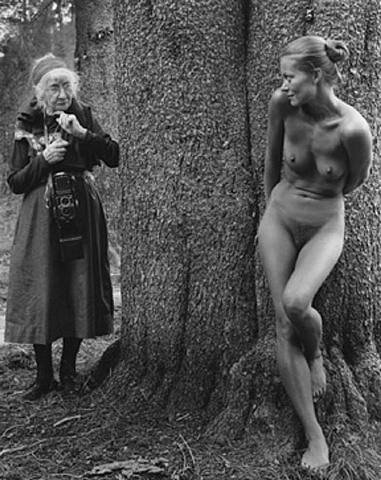
Robert Graves, back and front cover to Penguin paperback of GOOD-BYE TO ALL THAT
IMOGEN AND TWINKA, Imogen Cunningham and Twinka Thiebaud, 1981, by Judy Dater
Michael Fountain in June of 1975 and June of 2005
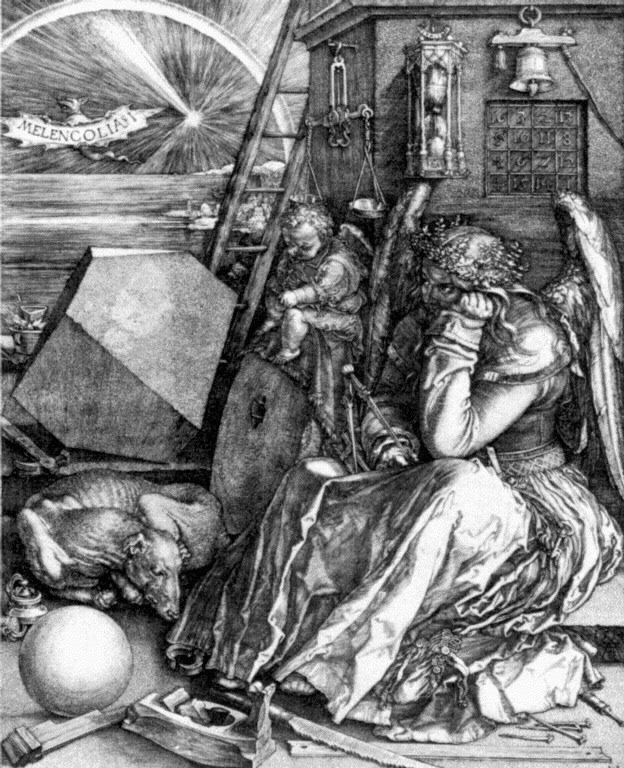
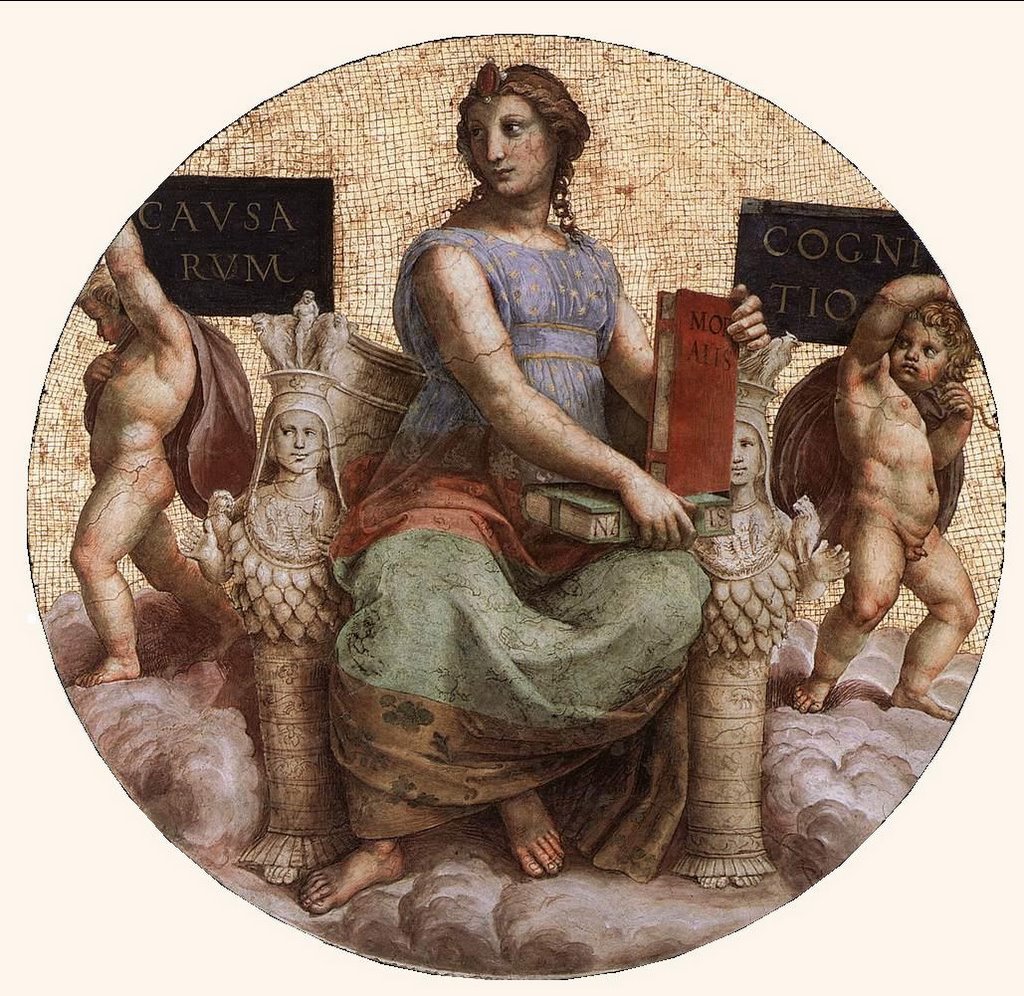
Boethius, THE CONSOLATIONS of PHILOSOPHY
Written by Boethius while in prison, translation by W.V. Cooper:
'To pleasant songs my work was erstwhile given, and bright were all my labours then; but now in tears to sad refrains am I compelled to turn. Thus my maimed Muses guide my pen, and gloomy songs make no feigned tears bedew my face. Then could no fear so overcome to leave me companionless upon my way. They were the pride of my earlier bright-lived days: in my later gloomy days they are the comfort of my fate; for hastened by unhappiness has age come upon me without warning, and grief hath set within me the old age of her gloom. White hairs are scattered untimely on my head, and the skin hangs loosely from my worn-out limbs.

'Happy is that death which thrusts not itself upon men in their pleasant years, yet comes to them at the oft-repeated cry of their sorrow. Sad is it how death turns away from the unhappy with so deaf an ear, and will not close, cruel, the eyes that weep. Ill is it to trust to Fortune's fickle bounty, and while yet she smiled upon me, the hour of gloom had well-nigh overwhelmed my head. Now has the cloud put off its alluring face, wherefore without scruple my life drags out its wearying delays.
'Why, O my friends, did ye so often puff me up, telling me that I was fortunate? For he that is fallen low did never firmly stand.'
While I was pondering thus in silence, and using my pen to set down so tearful a complaint, there appeared standing over my head a woman's form, whose countenance was full of majesty, whose eyes shone as with fire and in power of insight surpassed the eyes of men, whose colour was full of life, whose strength was yet intact though she was so full of years that none would ever think that she was subject to such age as ours. One could but doubt her varying stature, for at one moment she repressed it to the common measure of a man, at another she seemed to touch with her crown the very heavens: and when she had raised higher her head, it pierced even the sky and baffled the sight of those who would look upon it. Her clothing was wrought of the finest thread by subtle workmanship brought to an indivisible piece. This had she woven with her own hands, as I afterwards did learn by her own shewing. Their beauty was somewhat dimmed by the dulness of long neglect, as is seen in the smoke-grimed masks of our ancestors. On the border below was inwoven the symbol II, on that above was to be read a theta. And between the two letters there could be marked degrees, by which, as by the rungs of a ladder, ascent might be made from the lower principle to the higher. Yet the hands of rough men had torn this garment and snatched such morsels as they could therefrom. In her right hand she carried books, in her left was a sceptre brandished.
When she saw that the Muses of poetry were present by my couch giving words to my lamenting, she was stirred a while; her eyes flashed fiercely, and said she, ' Who has suffered these seducing mummers to approach this sick man? Never do they support those in sorrow by any healing remedies, but rather do ever foster the sorrow by poisonous sweets. These are they who stifle the fruit-bearing harvest of reason with the barren briars of the passions: they free not the minds of men from disease, but accustom them thereto. I would think it less grievous if your allurements drew away from me some uninitiated man, as happens in the vulgar herd. In such an one my labours would be naught harmed, but this man has been nourished in the lore of Eleatics and Academics; and to him have ye reached? Away with you, Sirens, seductive unto destruction! leave him to my Muses to be cared for and to be healed.'

Their band thus rated cast a saddened glance upon the ground, confessing their shame in blushes, and passed forth dismally over the threshold. For my part, my eyes were dimmed with tears, and I could not discern who was this woman of such commanding power. I was amazed, and turning my eyes to the ground I began in silence to await what she should do.
Then she approached nearer and sat down upon the end of my couch: she looked into my face heavy with grief and cast down by sorrow to the ground, and then she raised her complaint over the trouble of my mind in these words.
'Ah me! how blunted grows the mind when sunk below the o'erwhelming flood! Its own true light no longer burns within, and it would break forth to outer darknesses. How often care, when fanned by earthly winds, grows to a larger and unmeasured bane. This man has been free to the open heaven: his habit has it been to wander into the paths of the sky: his to watch the light of the bright sun, his to inquire into the brightness of the chilly moon; he, like a conqueror, held fast bound in its order every star that makes its wandering circle, turning its peculiar course. Nay, more, deeply has he searched into the springs of nature, whence came the roaring blasts that ruffle the ocean's bosom calm: what is the spirit that makes the firmament revolve; wherefore does the evening star sink into the western wave but to rise from the radiant East; what is the cause which so tempers the season of Spring that it decks the earth with rose-blossoms; whence comes it to pass that Autumn is prolific in the years of plenty and overflows with teeming vines: deeply to search these causes was his wont, and to bring forth secrets deep in Nature hid.
'Now he lies there; extinct his reason's light, his neck in heavy chains thrust down, his countenance with grievous weight downcast; ah! the brute earth is all he can behold.
'But now,' said she,' is the time for the physician's art, rather than for complaining.' Then fixing her eyes wholly on me, she said, ' Are you the man who was nourished upon the milk of my learning, brought up with my food until you had won your way to the power of a manly soul? Surely I had given you such weapons as would keep you safe, and your strength unconquered; if you had not thrown them away. Do you know me? Why do you keep silence? Are you dumb from shame or from dull amazement? I would it were from shame, but I see that amazement has overwhelmed you.'
When she saw that I was not only silent, but utter]y tongue-tied and dumb, she put her hand gently upon my breast, and said,' There is no danger: he is suffering from drowsiness, that disease which attacks so many minds which have been deceived. He has forgotten himself for a moment and will quickly remember, as soon as he recognises me. That he may do so, let me brush away from his eyes the darkening cloud of thoughts of matters perishable.' So saying, she gathered her robe into a fold and dried my swimming eyes.
Then was dark night dispelled, the shadows fled away, and my eyes received returning power as before. 'Twas just as when the heavenly bodies are enveloped by the west wind's rush, and the sky stands thick with watery clouds; the sun is hidden and the stars are not yet come into the sky, and night descending from above o'erspreads the earth: but if the north wind smites this scene, launched forth from the Thracian cave, it unlocks the imprisoned daylight; the sun shines forth, and thus sparkling Phoebus smites with his rays our wondering eyes.
In such a manner were the clouds of grief scattered. Then I drew breath again and engaged my mind in taking knowledge of my physician's countenance. So when I turned my eyes towards her and fixed my gaze upon her, I recognised my nurse, Philosophy, in whose chambers I had spent my life from earliest manhood. And I asked her,' Wherefore have you, mistress of all virtues, come down from heaven above to visit my lonely place of banishment? Is it that you, as well as I, may be harried, the victim of false charges? ' 'Should I,' said she,' desert you, my nursling?
Should I not share and bear my part of the burden which has been laid upon you from spite against my name? Surely Philosophy never allowed herself to let the innocent go upon their journey unbefriended. Think you I would fear calumnies? that I would be terrified as though they were a new misfortune? Think you that this is the first time that wisdom has been harassed by dangers among men of shameless ways?
'To pleasant songs my work was erstwhile given, and bright were all my labours then; but now in tears to sad refrains am I compelled to turn. Thus my maimed Muses guide my pen, and gloomy songs make no feigned tears bedew my face. Then could no fear so overcome to leave me companionless upon my way. They were the pride of my earlier bright-lived days: in my later gloomy days they are the comfort of my fate; for hastened by unhappiness has age come upon me without warning, and grief hath set within me the old age of her gloom. White hairs are scattered untimely on my head, and the skin hangs loosely from my worn-out limbs.
'Happy is that death which thrusts not itself upon men in their pleasant years, yet comes to them at the oft-repeated cry of their sorrow. Sad is it how death turns away from the unhappy with so deaf an ear, and will not close, cruel, the eyes that weep. Ill is it to trust to Fortune's fickle bounty, and while yet she smiled upon me, the hour of gloom had well-nigh overwhelmed my head. Now has the cloud put off its alluring face, wherefore without scruple my life drags out its wearying delays.
'Why, O my friends, did ye so often puff me up, telling me that I was fortunate? For he that is fallen low did never firmly stand.'
While I was pondering thus in silence, and using my pen to set down so tearful a complaint, there appeared standing over my head a woman's form, whose countenance was full of majesty, whose eyes shone as with fire and in power of insight surpassed the eyes of men, whose colour was full of life, whose strength was yet intact though she was so full of years that none would ever think that she was subject to such age as ours. One could but doubt her varying stature, for at one moment she repressed it to the common measure of a man, at another she seemed to touch with her crown the very heavens: and when she had raised higher her head, it pierced even the sky and baffled the sight of those who would look upon it. Her clothing was wrought of the finest thread by subtle workmanship brought to an indivisible piece. This had she woven with her own hands, as I afterwards did learn by her own shewing. Their beauty was somewhat dimmed by the dulness of long neglect, as is seen in the smoke-grimed masks of our ancestors. On the border below was inwoven the symbol II, on that above was to be read a theta. And between the two letters there could be marked degrees, by which, as by the rungs of a ladder, ascent might be made from the lower principle to the higher. Yet the hands of rough men had torn this garment and snatched such morsels as they could therefrom. In her right hand she carried books, in her left was a sceptre brandished.
When she saw that the Muses of poetry were present by my couch giving words to my lamenting, she was stirred a while; her eyes flashed fiercely, and said she, ' Who has suffered these seducing mummers to approach this sick man? Never do they support those in sorrow by any healing remedies, but rather do ever foster the sorrow by poisonous sweets. These are they who stifle the fruit-bearing harvest of reason with the barren briars of the passions: they free not the minds of men from disease, but accustom them thereto. I would think it less grievous if your allurements drew away from me some uninitiated man, as happens in the vulgar herd. In such an one my labours would be naught harmed, but this man has been nourished in the lore of Eleatics and Academics; and to him have ye reached? Away with you, Sirens, seductive unto destruction! leave him to my Muses to be cared for and to be healed.'
Their band thus rated cast a saddened glance upon the ground, confessing their shame in blushes, and passed forth dismally over the threshold. For my part, my eyes were dimmed with tears, and I could not discern who was this woman of such commanding power. I was amazed, and turning my eyes to the ground I began in silence to await what she should do.
Then she approached nearer and sat down upon the end of my couch: she looked into my face heavy with grief and cast down by sorrow to the ground, and then she raised her complaint over the trouble of my mind in these words.
'Ah me! how blunted grows the mind when sunk below the o'erwhelming flood! Its own true light no longer burns within, and it would break forth to outer darknesses. How often care, when fanned by earthly winds, grows to a larger and unmeasured bane. This man has been free to the open heaven: his habit has it been to wander into the paths of the sky: his to watch the light of the bright sun, his to inquire into the brightness of the chilly moon; he, like a conqueror, held fast bound in its order every star that makes its wandering circle, turning its peculiar course. Nay, more, deeply has he searched into the springs of nature, whence came the roaring blasts that ruffle the ocean's bosom calm: what is the spirit that makes the firmament revolve; wherefore does the evening star sink into the western wave but to rise from the radiant East; what is the cause which so tempers the season of Spring that it decks the earth with rose-blossoms; whence comes it to pass that Autumn is prolific in the years of plenty and overflows with teeming vines: deeply to search these causes was his wont, and to bring forth secrets deep in Nature hid.
'Now he lies there; extinct his reason's light, his neck in heavy chains thrust down, his countenance with grievous weight downcast; ah! the brute earth is all he can behold.
'But now,' said she,' is the time for the physician's art, rather than for complaining.' Then fixing her eyes wholly on me, she said, ' Are you the man who was nourished upon the milk of my learning, brought up with my food until you had won your way to the power of a manly soul? Surely I had given you such weapons as would keep you safe, and your strength unconquered; if you had not thrown them away. Do you know me? Why do you keep silence? Are you dumb from shame or from dull amazement? I would it were from shame, but I see that amazement has overwhelmed you.'
When she saw that I was not only silent, but utter]y tongue-tied and dumb, she put her hand gently upon my breast, and said,' There is no danger: he is suffering from drowsiness, that disease which attacks so many minds which have been deceived. He has forgotten himself for a moment and will quickly remember, as soon as he recognises me. That he may do so, let me brush away from his eyes the darkening cloud of thoughts of matters perishable.' So saying, she gathered her robe into a fold and dried my swimming eyes.
Then was dark night dispelled, the shadows fled away, and my eyes received returning power as before. 'Twas just as when the heavenly bodies are enveloped by the west wind's rush, and the sky stands thick with watery clouds; the sun is hidden and the stars are not yet come into the sky, and night descending from above o'erspreads the earth: but if the north wind smites this scene, launched forth from the Thracian cave, it unlocks the imprisoned daylight; the sun shines forth, and thus sparkling Phoebus smites with his rays our wondering eyes.
In such a manner were the clouds of grief scattered. Then I drew breath again and engaged my mind in taking knowledge of my physician's countenance. So when I turned my eyes towards her and fixed my gaze upon her, I recognised my nurse, Philosophy, in whose chambers I had spent my life from earliest manhood. And I asked her,' Wherefore have you, mistress of all virtues, come down from heaven above to visit my lonely place of banishment? Is it that you, as well as I, may be harried, the victim of false charges? ' 'Should I,' said she,' desert you, my nursling?
Should I not share and bear my part of the burden which has been laid upon you from spite against my name? Surely Philosophy never allowed herself to let the innocent go upon their journey unbefriended. Think you I would fear calumnies? that I would be terrified as though they were a new misfortune? Think you that this is the first time that wisdom has been harassed by dangers among men of shameless ways?
COMMONPLACE BOOK, RANDOM EXCERPTS for JANUARY
"No one can have a higher opinion of him than I have," W.S. Gilbert once said of an old friend, "and I think he is a dirty little beast."

****
"I’m in total disagreement with her [Hillary Clinton] on Iraq. It all has to do, in my judgment, with the post-Vietnam image the Democrats got of being weak on defense. So they all had to prove their muscularity by voting for this [Iraq war] resolution. I think this was all wrong. We are a republic. We are not an empire. And this is an imperial policy."
-- Gary Hart in New York Times Magazine, 1/8/06
***
Now independently wealthy, Jeremy Bentham made the most of his independence. He moved into a house in Westminster once occupied by poet John Milton. There he became something of a recluse and an eccentric. He named his teapot "Dickey," his walking-sticks "Dapple" and "Dobbin," and his cat "The Reverend Dr. John Langhorne.”
***
“For the first time in our history, ideology and theology hold a monopoly of power in Washington. Theology asserts propositions that cannot be proven true; ideologues hold stoutly to a worldview despite being contradicted by what is generally accepted as reality. The offspring of ideology and theology are not always bad but they are always blind. And that is the danger: voters and politicians alike, oblivious to the facts.
".... What we need is what the ancient Israelites called "hocma" - the science of the heart, the capacity to see, to feel and then to act as if the future depended on you." -- Bill Moyers
****
Unretouched photos from Engrish dot com, a website that specializes in
 very bad translations found in Asian advertising.

****
"I’ve worked with nearly fifty graduate students, and I feel confident saying that not a single one has possessed Derek’s raw talent, his courage, or his willingness to write about the scary stuff that most people refuse to look in the eye. It’s safe to call Derek a "dark" writer. His stories are relentless and terrifying, despite the fact that he writes about the mundane — about manual labor and emotional exhaustion and bad relationships and the like. He’s an innovator, a sorcerer with a sentence and a writer with a vision. In short, he’s not what MFA programs are looking for." – David Hollander on a rejected MFA applicant
****
Well, the future hasn't quite turned out as Orwell feared, but it's pretty damn close. The British police have more than enough powers to make life very difficult for you if you choose to disagree with Mr. Blair. A woman was arrested in Downing Street recently for reading out the names of the Iraqi war dead; this was justified under the terms of the Serious Organised Crime and Police Act 2005. And on the other side of the pond, Cousin George is busy phone-tapping everyone who thinks he's a fool; an exercise which should keep him busy for some time.
-- Michael Allen, “Grumpy Old Bookman” (blog)
***
From “A Man for All seasons” by Robert Bolt:
William Roper: So, now you give the Devil the benefit of law!
Sir Thomas More: Yes! What would you do? Cut a great road through the law to get after the Devil?
William Roper: Yes, I'd cut down every law in England to do that!
Sir Thomas More: Oh? And when the last law was down, and the Devil turned 'round on you, where would you hide, Roper, the laws all being flat? This country is planted thick with laws, from coast to coast, Man's laws, not God's! And if you cut them down, and you're just the man to do it, do you really think you could stand upright in the winds that would blow then? Yes, I'd give the Devil benefit of law, for my own safety's sake!

Sir Thomas More: Why not be a teacher? You'd be a fine teacher; perhaps a great one.
Richard Rich: If I was, who would know it?
Sir Thomas More: You; your pupils; your friends; God. Not a bad public, that.
Cardinal Wolsey: You're a constant regret to me, Thomas. If you could just see facts flat-on, without that horrible moral squint... With a little common sense you could have made a statesman.
****
From The Onion:
PHOENIX, AZ—Ignoring the fact that they live in the middle of a God-forsaken alkali desert, residents continue to demand more water for their parched lawns and bleached-out swimming pools.
1/17/06 1:43 PM
****
"I don't want to see this country ever go across the bridge. I know the capacity that is there to make tyranny total in America, and we must see to it that this agency [the National Security Agency] and all agencies that possess this technology operate within the law and under proper supervision, so that we never cross over that abyss. That is the abyss from which there is no return." --Senator Frank Church (D-Idaho), investigating the National Security Agency, 1975.
***
A true war story is never moral. It does not instruct, nor encourage virtue, nor suggest models of proper human behavior, nor restrain men from doing the things men have always done. If a story seems moral, do not believe it. If at the end of a war story you feel uplifted, or if you feel that some small bit of rectitude has been salvaged from the larger waste, then you have been made the victim of a very old and terrible lie. There is no rectitude whatsoever. There is no virtue. As a first rule of thumb, therefore, you can tell a true war story by its absolute and uncompromising allegiance to obscenity and evil.
--“How to Tell a True War Story,” by Tim O’Brien, in The Things They Carried
***
From an interview in GamePro magazine with the developers of the game “Saint’s Row”:
GamePro: Let's say I want to be a pimp. Do I have to go and find pimp-specific missions?
****
 "Super-apes are never a bad idea. I want that phrase on my gravestone." – “Dave’s Long Box” (blog)
See Also Commonplace Book for December, Commonplace Book 1

****
"I’m in total disagreement with her [Hillary Clinton] on Iraq. It all has to do, in my judgment, with the post-Vietnam image the Democrats got of being weak on defense. So they all had to prove their muscularity by voting for this [Iraq war] resolution. I think this was all wrong. We are a republic. We are not an empire. And this is an imperial policy."
-- Gary Hart in New York Times Magazine, 1/8/06
***
Now independently wealthy, Jeremy Bentham made the most of his independence. He moved into a house in Westminster once occupied by poet John Milton. There he became something of a recluse and an eccentric. He named his teapot "Dickey," his walking-sticks "Dapple" and "Dobbin," and his cat "The Reverend Dr. John Langhorne.”
***
“For the first time in our history, ideology and theology hold a monopoly of power in Washington. Theology asserts propositions that cannot be proven true; ideologues hold stoutly to a worldview despite being contradicted by what is generally accepted as reality. The offspring of ideology and theology are not always bad but they are always blind. And that is the danger: voters and politicians alike, oblivious to the facts.
".... What we need is what the ancient Israelites called "hocma" - the science of the heart, the capacity to see, to feel and then to act as if the future depended on you." -- Bill Moyers
****
Unretouched photos from Engrish dot com,
 a website that specializes in
 very bad translations found in Asian advertising.
****
"I’ve worked with nearly fifty graduate students, and I feel confident saying that not a single one has possessed Derek’s raw talent, his courage, or his willingness to write about the scary stuff that most people refuse to look in the eye. It’s safe to call Derek a "dark" writer. His stories are relentless and terrifying, despite the fact that he writes about the mundane — about manual labor and emotional exhaustion and bad relationships and the like. He’s an innovator, a sorcerer with a sentence and a writer with a vision. In short, he’s not what MFA programs are looking for." – David Hollander on a rejected MFA applicant
****
Well, the future hasn't quite turned out as Orwell feared, but it's pretty damn close. The British police have more than enough powers to make life very difficult for you if you choose to disagree with Mr. Blair. A woman was arrested in Downing Street recently for reading out the names of the Iraqi war dead; this was justified under the terms of the Serious Organised Crime and Police Act 2005. And on the other side of the pond, Cousin George is busy phone-tapping everyone who thinks he's a fool; an exercise which should keep him busy for some time.
-- Michael Allen, “Grumpy Old Bookman” (blog)
***
From “A Man for All seasons” by Robert Bolt:
William Roper: So, now you give the Devil the benefit of law!
Sir Thomas More: Yes! What would you do? Cut a great road through the law to get after the Devil?
William Roper: Yes, I'd cut down every law in England to do that!
Sir Thomas More: Oh? And when the last law was down, and the Devil turned 'round on you, where would you hide, Roper, the laws all being flat? This country is planted thick with laws, from coast to coast, Man's laws, not God's! And if you cut them down, and you're just the man to do it, do you really think you could stand upright in the winds that would blow then? Yes, I'd give the Devil benefit of law, for my own safety's sake!

Sir Thomas More: Why not be a teacher? You'd be a fine teacher; perhaps a great one.
Richard Rich: If I was, who would know it?
Sir Thomas More: You; your pupils; your friends; God. Not a bad public, that.
Cardinal Wolsey: You're a constant regret to me, Thomas. If you could just see facts flat-on, without that horrible moral squint... With a little common sense you could have made a statesman.
****
From The Onion:
PHOENIX, AZ—Ignoring the fact that they live in the middle of a God-forsaken alkali desert, residents continue to demand more water for their parched lawns and bleached-out swimming pools.
1/17/06 1:43 PM
****
"I don't want to see this country ever go across the bridge. I know the capacity that is there to make tyranny total in America, and we must see to it that this agency [the National Security Agency] and all agencies that possess this technology operate within the law and under proper supervision, so that we never cross over that abyss. That is the abyss from which there is no return." --Senator Frank Church (D-Idaho), investigating the National Security Agency, 1975.
***
A true war story is never moral. It does not instruct, nor encourage virtue, nor suggest models of proper human behavior, nor restrain men from doing the things men have always done. If a story seems moral, do not believe it. If at the end of a war story you feel uplifted, or if you feel that some small bit of rectitude has been salvaged from the larger waste, then you have been made the victim of a very old and terrible lie. There is no rectitude whatsoever. There is no virtue. As a first rule of thumb, therefore, you can tell a true war story by its absolute and uncompromising allegiance to obscenity and evil.
--“How to Tell a True War Story,” by Tim O’Brien, in The Things They Carried
***
From an interview in GamePro magazine with the developers of the game “Saint’s Row”:
GamePro: Let's say I want to be a pimp. Do I have to go and find pimp-specific missions?
****
 "Super-apes are never a bad idea. I want that phrase on my gravestone." – “Dave’s Long Box” (blog)
See Also Commonplace Book for December, Commonplace Book 1
Subscribe to:
Posts (Atom)